



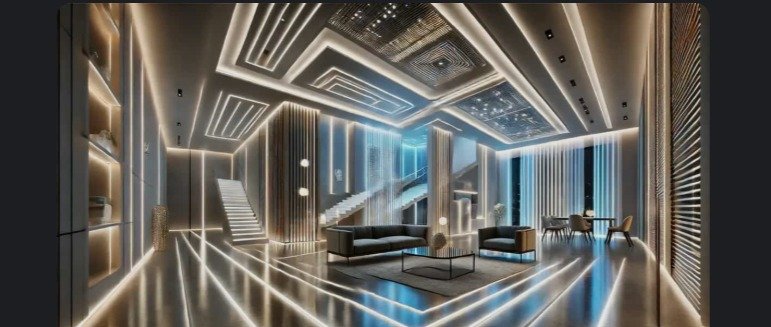
Introduction: The Growing Role of LED Tape Lighting
A narrow strip of light can transform an ordinary room, highlight a product display, or improve visibility in a busy workspace. LED tape lighting has become a popular solution because it combines a compact design with flexible installation and adaptable illumination. From residential interiors to commercial buildings and industrial facilities, these lighting systems support both decorative and practical purposes. Understanding product quality, customization options, energy efficiency, and control technology is essential when selecting suitable lighting. This article explores how LED tape lighting meets modern requirements and why choosing the right manufacturing partner matters.
Understanding LED Tape Light Technology
LED tape lights consist of small light-emitting diodes mounted on a flexible circuit board, allowing installation along straight surfaces, corners, shelves, and architectural features. Their compact construction makes them useful where traditional fixtures may be difficult to install or visually distracting. A reliable LED tape light manufacturer considers factors such as diode density, brightness, color consistency, circuit design, and thermal performance when developing products. These characteristics influence the final lighting effect and operating reliability. Understanding the differences between available specifications helps designers, contractors, and businesses choose products that suit their installation requirements and intended lighting applications.
Customization for Different Lighting Requirements
Lighting projects often involve specific requirements that standard products cannot fully satisfy. Some applications need particular lengths, color temperatures, brightness levels, or connector arrangements to fit an existing design. Customization allows lighting systems to match these needs more closely while supporting consistent installation across multiple locations. An experienced OEM LED strip lights manufacturer can develop products according to agreed technical specifications, branding requirements, and application needs. This flexibility is particularly useful for lighting distributors, interior designers, electrical contractors, and businesses managing large projects. Clear communication about operating conditions and performance expectations helps establish suitable product configurations before manufacturing begins.
RGB Technology and Precise Brightness Control
RGB LED tape lighting creates different colors by combining red, green, and blue light output. This capability makes it suitable for decorative ceilings, retail displays, entertainment venues, hospitality interiors, and architectural accents. Controller specifications influence how smoothly users can adjust brightness and create different visual effects. For example, the product feature RGB Touch Controller Gray steps: 256 steps indicates 256 available gray-level steps for brightness adjustment. Such control can support more gradual changes in perceived illumination when compatible equipment is used. Selecting an appropriate controller alongside the LED strip helps maintain dependable operation and a consistent lighting experience.
Energy Efficiency and Operating Performance
Energy consumption is an important consideration for residential, commercial, and industrial lighting projects. LED technology generally offers greater energy efficiency than conventional incandescent lighting, although actual performance depends on product design, power consumption, brightness, and operating conditions. A knowledgeable LED tape light manufacturer evaluates electrical efficiency and heat management to support reliable operation. Correctly matched power supplies and suitable installation methods are equally important because excessive heat can affect performance and service life. Reviewing wattage, luminous output, and expected operating hours enables buyers to estimate electricity requirements more accurately and compare available products according to their practical needs.
Applications Across Residential and Commercial Spaces
LED tape lighting can serve several purposes depending on its placement and technical characteristics. In homes, it may illuminate kitchen cabinets, staircases, wardrobes, and recessed ceilings. Commercial environments use it to emphasize merchandise, improve display visibility, and create distinctive interior features. Hotels and restaurants may incorporate adjustable lighting to establish different atmospheres throughout a property. An OEM LED strip lights manufacturer can support specialized requirements when projects involve unusual dimensions, particular colors, or integration with compatible control systems. Appropriate product selection ensures that decorative effects remain balanced with visibility, safety, maintenance requirements, and the intended function of each space.
Product Quality, Materials, and Durability
The quality of an LED tape light depends on more than its visible brightness. Circuit materials, soldering quality, LED consistency, insulation, adhesive performance, and heat dissipation can all influence durability. Products installed in kitchens, bathrooms, outdoor areas, or industrial locations may require additional environmental protection. Buyers should review ingress protection ratings and confirm whether a particular model is suitable for exposure to moisture or dust. A dependable LED tape light manufacturer should provide clear specifications and installation guidance so customers can assess product suitability. Careful evaluation reduces the likelihood of premature failures, inconsistent illumination, and avoidable replacement costs.
Smart Controls and Installation Compatibility
Modern lighting systems increasingly incorporate dimmers, touch controllers, remote controls, and smart home integration. These features provide greater control over brightness and color, allowing users to adapt lighting to changing activities or preferences. Compatibility must be checked before installation because LED strips, controllers, and power supplies may operate at different voltages or use different control methods. Projects involving multiple strips also require attention to electrical loading and wiring arrangements. Consulting technical documentation helps prevent flickering, voltage drop, uneven brightness, and other installation issues. Proper planning ensures that advanced controls contribute to convenience without compromising overall lighting performance.
Selecting the Right Manufacturing Partner
Choosing a manufacturing partner requires careful consideration of product specifications, customization capabilities, quality control, and technical support. Buyers should compare samples, review documentation, and clarify minimum order quantities, delivery schedules, and warranty conditions before making purchasing decisions. For businesses developing private-label products, an OEM LED strip lights manufacturer may provide additional options for packaging, product configuration, and branding. Transparent communication helps establish realistic expectations about performance and production requirements. Rather than evaluating suppliers on price alone, purchasers should consider consistency, compatibility, and long-term reliability to identify lighting solutions that meet the needs of their customers and projects.
Conclusion
LED tape lighting provides a flexible way to combine functional illumination with modern design. Its adaptability, color options, dimming capabilities, and compact construction make it suitable for many environments, provided that product specifications match the intended application. Careful attention to manufacturing quality, electrical compatibility, and environmental requirements can improve installation outcomes and long-term performance. Businesses exploring suitable lighting products can visit dekingled.com to review available options and consider solutions for different project requirements. A well-informed selection process helps designers, contractors, and distributors achieve consistent lighting results while balancing appearance, efficiency, durability, and practical operating needs.
