



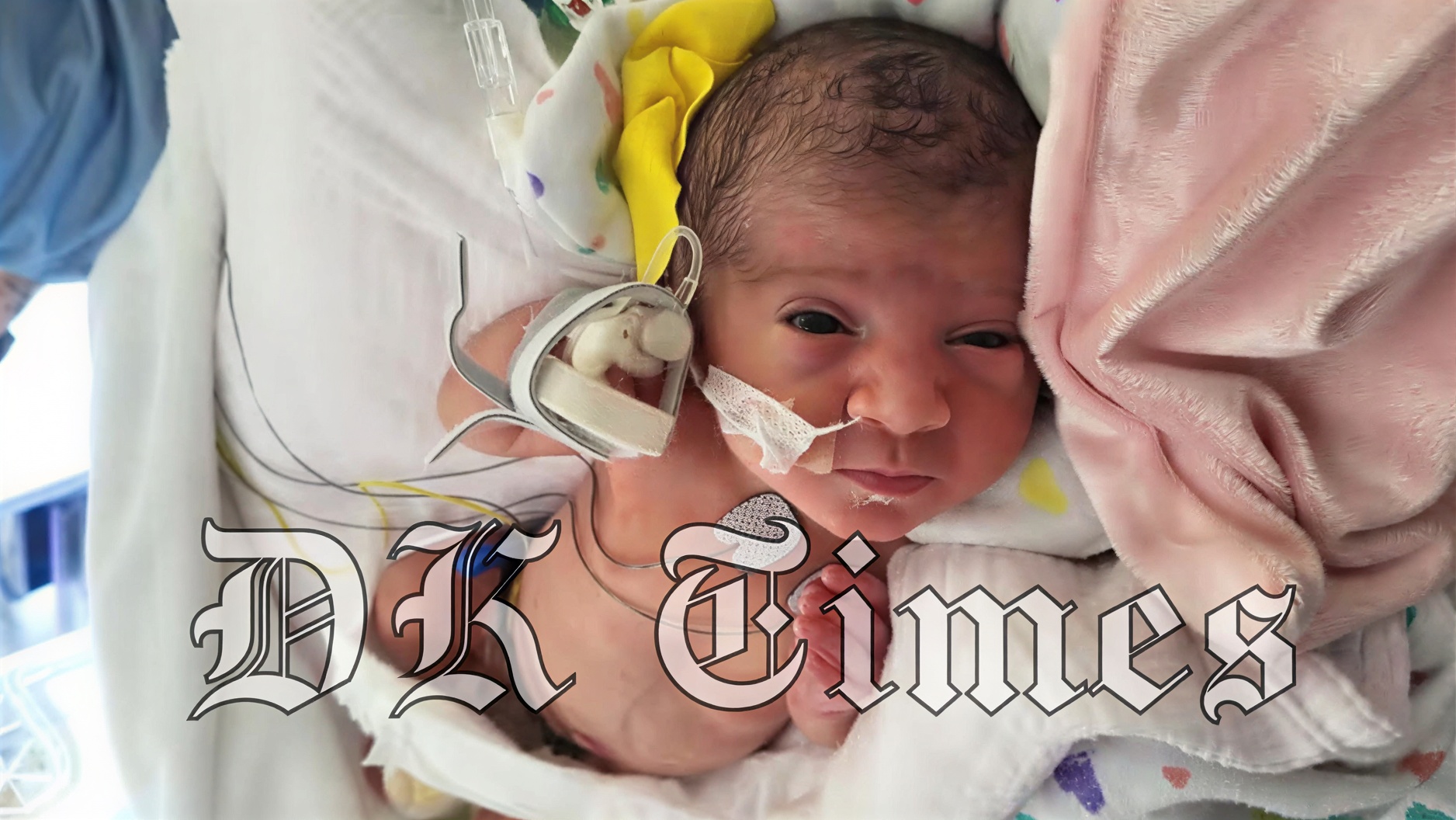
The concept of a “bone marrow baby” has sparked curiosity and intrigue in recent years, especially among those interested in the future of reproductive science. While the idea of babies being conceived through bone marrow is still largely hypothetical, it brings with it significant promise for advancing medical technology, particularly for same-sex couples and individuals with fertility issues. Although there is no proven case of a baby being created entirely from bone marrow, research into stem cells and reproductive science may one day make this concept a reality.
Quick Bio of Bone Marrow Baby
| Field | Details |
|---|---|
| Focus Keyword | Bone Marrow Baby |
| Research Status | Theoretical, not yet proven in humans |
| Primary Cells | Bone Marrow Stem Cells |
| Potential Use | Reproductive purposes (sperm or egg creation) |
| Applicable to | Same-sex couples, individuals with fertility issues |
| Stem Cell Type | Mesenchymal Stem Cells |
| Genetic Inheritance | Traits inherited from the stem cell donor |
| Scientific Challenges | Technology not yet developed |
| Reproductive Benefits | Potential biological children for same-sex couples |
| Current Methods Available | IVF, Sperm/egg donation, ROPA method |
| Ethical Concerns | Questions about genetic manipulation and safety |
| Future Implications | Could revolutionize reproduction and family-building |
What is a Bone Marrow Baby?
A bone marrow baby refers to the hypothetical possibility of conceiving a child using bone marrow stem cells, to create a baby from the genetic material found in bone marrow. Stem cells, which are undifferentiated cells capable of developing into a variety of other cell types, have long been a subject of research in medicine. Bone marrow is rich in stem cells, which can be harnessed for various medical purposes, including the production of blood cells to treat leukemia and other blood disorders.
In recent years, some researchers have speculated that bone marrow stem cells could potentially be used to create sperm or egg cells through a process known as in vitro gametogenesis. This process involves manipulating stem cells to develop into reproductive cells (sperm or eggs), which could then be used for fertilization. While this concept is exciting, it is important to note that bone marrow babies are still a theoretical idea, and no human has been conceived in this manner to date.

The Science Behind Bone Marrow Babies
At the heart of the bone marrow baby concept is stem cell research. Stem cells are unique because they can transform into almost any type of cell in the body, including sperm and egg cells. The idea is that, in the future, it may be possible to reprogram stem cells from sources like bone marrow to become functional sperm or eggs. This would open up new possibilities for reproduction, particularly for individuals or couples who face fertility challenges or for those who may not have access to traditional reproductive methods like sperm donation.
The concept of using stem cells for reproductive purposes is not new. Research has already shown that stem cells can be used to generate sperm-like cells in laboratory settings, at least in animals like mice. For example, scientists have successfully created genetically modified mice by using stem cells from two female mice to create an embryo. This groundbreaking experiment demonstrated that it might one day be possible for two women to have a biological child together, but this achievement has not yet been replicated in humans. Bone marrow babies would take this concept even further by using stem cells from bone marrow to create eggs or sperm.
Although the idea of creating sperm or eggs from bone marrow is promising, it remains a long way off. Despite some early studies and claims that stem cells from bone marrow could be used to create viable sperm, the scientific community remains cautious. In fact, some of the initial studies were retracted, as researchers failed to replicate the results in subsequent experiments. As of now, the technology required to turn bone marrow stem cells into functional reproductive cells has not been developed.
Bone Marrow Babies and Same-Sex Couples
One of the most discussed implications of the bone marrow baby concept is its potential to help same-sex couples, particularly lesbian couples, have biological children together. In theory, if scientists were able to create viable sperm from bone marrow, a lesbian couple could both contribute to the creation of a child without the need for sperm donation from a male. This would be a groundbreaking achievement in reproductive technology, offering same-sex couples the opportunity to have a child that is genetically related to both parents.
While this concept is intriguing, it is essential to understand that it is currently speculative. Bone marrow babies born from two women are not yet possible, and there are still significant hurdles to overcome in stem cell research before this becomes a reality. In the meantime, lesbian couples can use existing reproductive technologies, such as IVF (in vitro fertilization) and the ROPA method, which allows both women to contribute genetically to the child. However, until bone marrow stem cells can be successfully turned into viable sperm or eggs, bone marrow babies will remain a distant possibility.
How Might a Bone Marrow Baby Appear?
As the concept of a bone marrow baby is still a theoretical idea, it’s difficult to predict exactly how such a baby would look. However, drawing from the principles of genetics, it’s likely that the appearance of a bone marrow baby would be similar to that of any other human child. Traits like hair color, eye color, and facial features are largely determined by the DNA inherited from both the sperm and the egg. If bone marrow stem cells were successfully reprogrammed into viable sperm or eggs, the baby born from this method would inherit genetic characteristics from the individual who provided the stem cells.
The Lifespan and Health of a Bone Marrow Baby
As bone marrow babies do not yet exist in real life, there is no data available on their lifespan, health, or development. However, if bone marrow stem cells were successfully used to create reproductive cells, the health of the resulting child would likely depend on the same factors as any other baby. Genetic health would be determined by the quality of the stem cells used, as well as environmental factors such as prenatal care, nutrition, and other influences.
In terms of lifespan, a bone marrow baby would likely have the same life expectancy as any other human, assuming no underlying genetic conditions or health complications. Since stem cells are used in many medical treatments today, such as bone marrow transplants, they do not pose any inherent risk to a child’s health, as long as they are properly reprogrammed and used in safe and controlled conditions.
The Future of Bone Marrow Babies
Looking ahead, the idea of a bone marrow baby remains one of the most exciting and controversial topics in reproductive science. The potential for stem cells to be reprogrammed into sperm or eggs could change the face of reproduction, providing new opportunities for individuals and couples facing fertility challenges. It could also pave the way for same-sex couples to have biological children together, without the need for sperm donation. However, as of now, the technology to create a bone marrow baby is still in its infancy, and much more research is needed to make this a reality.
While there have been promising developments in stem cell research, particularly in animals, bone marrow babies are still far from becoming a reality. The future of this technology holds great promise, but it will take time, investment, and further breakthroughs before we can fully understand its potential. For now, the concept remains a fascinating glimpse into what the future of reproductive science might look like.
Frequently Asked Questions
- What is a Bone Marrow Baby?
A bone marrow baby is a hypothetical concept where a child is conceived using stem cells from bone marrow. - Can Bone Marrow Stem Cells Create Sperm or Eggs?
Research suggests that bone marrow stem cells may one day be used to create sperm or eggs, though this technology is not yet fully developed. - Could Same-Sex Couples Have a Bone Marrow Baby?
If stem cells from bone marrow can be turned into sperm, same-sex female couples could theoretically have a biological child together. - What Would a Bone Marrow Baby Look Like?
A bone marrow baby would likely look like any other baby, with genetic traits inherited from the stem cell donor, if bone marrow stem cells are used to create sperm or eggs. - Are Bone Marrow Babies Possible Today?
Currently, bone marrow babies are still a theoretical concept, as no human has been conceived using bone marrow stem cells.
Conclusion
In conclusion, the idea of a bone marrow baby represents a thrilling prospect in the field of reproductive technology. While it remains speculative and theoretical for now, advancements in stem cell research offer hope that one day this dream could become a reality. Until then, same-sex couples and individuals with fertility issues can continue to rely on existing reproductive technologies to build their families. The journey toward creating bone marrow babies is still in its early stages, but the future of reproductive science holds exciting possibilities.
Head over to DK Times for an in-depth look and to find all the information you need.
